
Nobody enjoys spending precious time shaving, only to discover unwanted stubble returning a day or two later. Between razor bumps, irritated skin, and endless maintenance, traditional hair removal can become a frustrating part of your routine. Fortunately, laser hair removal offers a longer-lasting solution by targeting the follicles responsible for hair growth.
But here’s something worth knowing before booking your first appointment. Your hair color and skin tone can influence how well the treatment works, and not everyone responds in the same way. Understanding these differences can help you choose a treatment that suits your needs.
Let’s explore how laser hair removal works across different hair colors and skin tones, what makes someone a good candidate, and how modern technology has expanded treatment possibilities.
How Skin and Hair Color Affect Laser Hair Removal
Your natural pigmentation plays an important role in how your skin responds to laser technology. Here’s what you should know about the different combinations of skin tone, hair color, and other factors that influence treatment results.
1. Dark Hair Is Usually the Best Candidate
Have you noticed how dark hair tends to stand out more against the skin? That same contrast can make it easier for laser technology to target unwanted hair. Laser hair removal works by directing concentrated light toward melanin, the natural pigment responsible for hair color.
When the hair absorbs this energy, it converts into heat that damages structures involved in hair growth. Black and dark brown hair typically contain higher concentrations of melanin. This makes them particularly responsive to laser treatments because they absorb the light more effectively.
Patients with dark, coarse hair often experience noticeable reductions in hair density after completing several sessions. However, individual results depend on hair thickness, skin tone, hormonal activity, and treatment settings.
It’s also important to understand that laser hair removal produces long-term hair reduction rather than guaranteed permanent elimination. Some follicles may eventually produce new hair, although regrowth is often finer and less noticeable.
2. Light Skin and Dark Hair Create Favorable Contrast
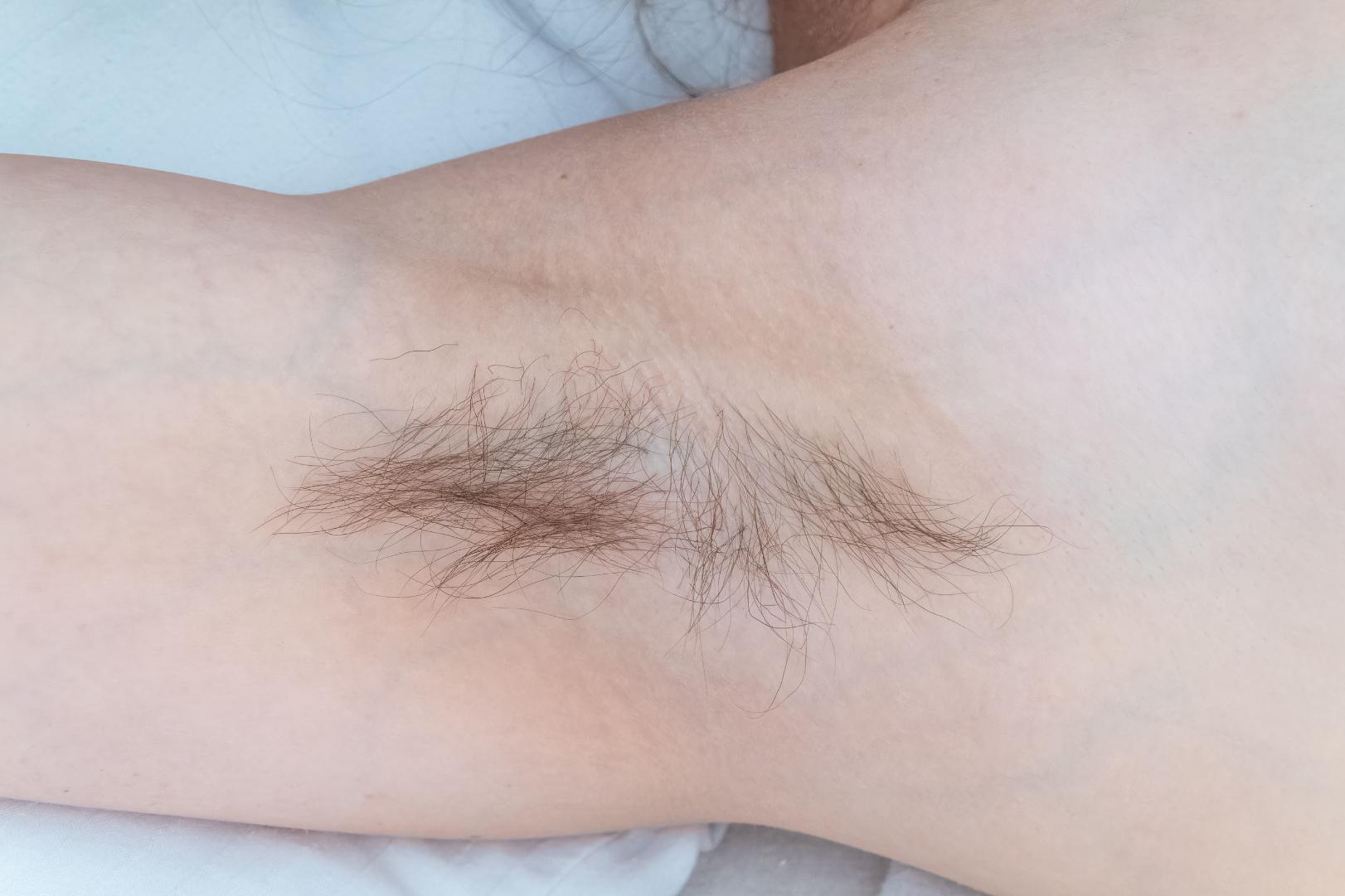
Traditionally, laser hair removal was most effective for patients with lighter skin and darker hair. This combination provides a noticeable difference between the pigment in the hair and the surrounding skin.
When the hair contains substantially more melanin than the skin, the laser can target the follicle more selectively. This allows the provider to deliver treatment energy while limiting unnecessary heating of nearby tissue.
For example, someone with fair skin and dark leg hair may respond particularly well. The contrast helps the laser distinguish the hair follicle from the surrounding skin.
However, favorable pigmentation doesn’t automatically mean treatment will be suitable for everyone. Certain medications, recent tanning, skin conditions, and individual sensitivity can influence safety.
A professional assessment helps determine the appropriate laser settings and treatment schedule. Even patients with ideal pigmentation combinations benefit from personalized care rather than a standard approach.
3. Darker Skin Can Benefit From Modern Lasers
One of the most persistent misconceptions about laser hair removal is that people with darker complexions cannot receive treatment. Fortunately, advancements in laser technology have made hair reduction possible for a wider range of skin tones.
The main challenge involves melanin in the skin itself. Because darker skin contains more pigment, certain laser wavelengths can cause excessive heating of the surrounding tissue. This increases the possibility of burns, discoloration, and other unwanted reactions when treatment isn’t properly performed.
A long-pulsed Nd laser operating at 1064 nm is commonly used for patients with darker skin tones. Its wavelength is absorbed less strongly by epidermal melanin than shorter wavelengths, making it a useful option for appropriately selected patients.
However, the device alone doesn’t determine safety. Treatment settings, cooling technology, provider experience, and the patient’s skin condition also matter.
Patients searching for a laser for dark skin should ask about the technology being used and the provider’s experience treating similar complexions. A knowledgeable professional should explain the potential benefits and risks before recommending treatment.
4. Blonde Hair May Respond Differently
Blonde hair presents a different challenge because it generally contains less melanin than darker hair. Without sufficient pigment, the laser may struggle to generate enough heat to affect the follicle. So, does laser work on blonde hair? The answer depends largely on the shade and thickness of the strands.
Dark blonde hair may contain enough pigment to respond to certain devices. Very light blonde hair, however, often produces limited results because there isn’t enough melanin for conventional lasers to target effectively.
Patients with coarse, dark blonde hair may have a better response than those with fine, pale strands. Nevertheless, neither hair thickness nor color alone can predict the outcome. This is why a consultation matters before committing to a treatment package. A provider can evaluate the hair’s characteristics and explain whether meaningful reduction is realistic.
For patients whose hair lacks sufficient pigment, electrolysis may be a more suitable alternative. Unlike laser treatment, electrolysis uses electrical energy delivered directly into individual follicles and doesn’t depend on melanin in the same way.
5. Red Hair Can Be Difficult to Treat
Natural red hair has a different pigment composition from black or brown hair. It typically contains more pheomelanin and less eumelanin, which can affect how the strands absorb laser energy.
As a result, conventional laser hair removal is often less effective for red hair. The response can vary considerably depending on whether the strands are dark auburn, copper, or strawberry blonde.
Darker auburn hair may respond better because it can contain more of the pigment targeted by the laser. Bright red and very light copper strands, however, may be considerably more resistant.
Patients with red hair shouldn’t assume that laser treatment is impossible, but they should approach it with realistic expectations. A professional assessment can help determine whether the available technology is likely to provide worthwhile results.
A test spot may also help assess skin tolerance and the potential treatment response. However, it cannot guarantee that an entire treatment series will produce satisfactory hair reduction. If conventional laser treatment isn’t suitable, electrolysis may provide another option. The best approach depends on your hair characteristics, treatment area, and personal goals.
6. Gray and White Hair Usually Won’t Respond
Hair naturally loses pigment as we age, eventually becoming gray, silver, or white. Unfortunately, this process also removes the primary target that conventional laser hair removal needs to work. When a strand contains little or no melanin, it cannot absorb laser energy effectively. This makes white hair particularly resistant to conventional laser treatments.
Gray hair can be more complicated because some strands retain pigment while others have lost nearly all of it. Consequently, patients with a mixture of dark and gray hair may notice that only the darker strands respond.
This distinction becomes important when considering treatment later in life. Someone with predominantly dark hair may experience better results than someone whose hair has already become mostly white. However, age itself isn’t the deciding factor. The amount of pigment remaining in the hair matters much more than the patient’s age.
For individuals with predominantly gray or white hair, electrolysis may be worth considering. It targets individual follicles without relying on hair pigment, making it suitable for colors that conventional lasers struggle to treat.
7. Your Skin Type Influences Treatment Settings
Hair color isn’t the only factor that determines whether laser hair removal is appropriate. Your skin’s natural pigmentation and response to sunlight also influence treatment planning. Providers often consider the Fitzpatrick skin type classification when evaluating patients. This system describes six categories based on how skin typically reacts to ultraviolet exposure.
Although the classification has limitations, it can help guide treatment decisions alongside a detailed skin assessment. Patients researching laser hair removal skin types in Tucson should pay particular attention to recent sun exposure. Tucson’s sunny climate can make tanning and accumulated ultraviolet exposure common concerns.
Even a temporary tan can increase the amount of melanin in the outer layers of your skin. This may raise the risk of unwanted heat absorption during laser treatment. For that reason, your provider may recommend postponing treatment if your skin is recently tanned or sunburned.
The goal is to select a wavelength and treatment setting appropriate for your current skin condition. What works for one patient may not be suitable for another, even when their natural complexions appear similar.
8. Hair Thickness Matters More Than You Think
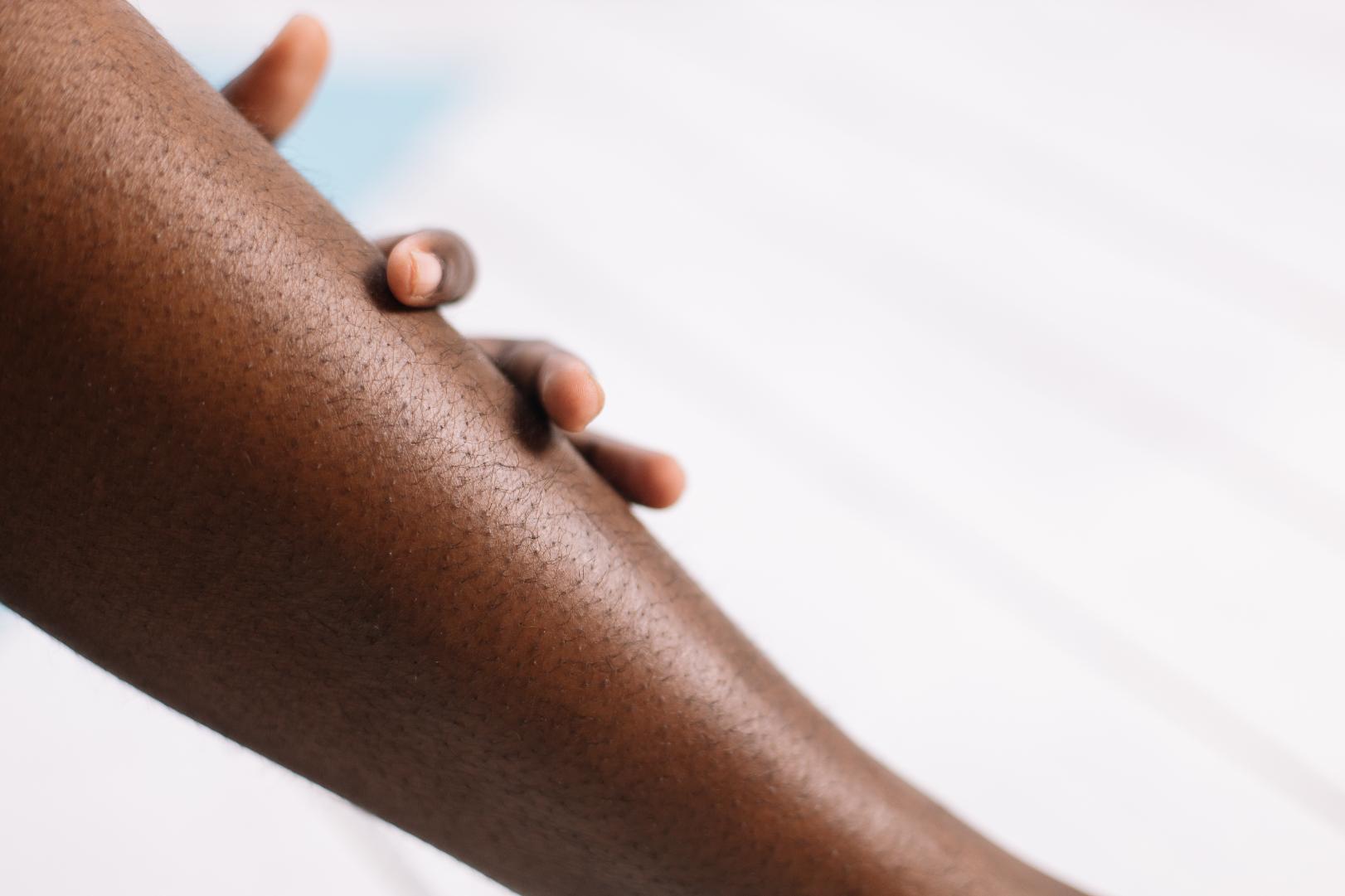
Two patients can have the same hair color but experience different treatment outcomes. One reason is that the thickness of the hair affects how effectively it absorbs laser energy. Coarse, pigmented hair generally responds better because it provides a stronger target. Fine hair contains less pigment and has a smaller diameter, making it more difficult to treat.
For example, thick underarm hair may respond more predictably than the soft, fine hair covering certain areas of the face. This is particularly relevant for patients considering laser treatment for peach fuzz. Fine facial hair may not contain enough pigment for effective reduction.
There’s also a less common complication called paradoxical hypertrichosis. This occurs when laser treatment unexpectedly stimulates increased hair growth rather than reducing it. Although uncommon, this reaction has been reported in certain facial and neck areas, particularly when treating fine hair.
A professional assessment helps identify areas that may respond poorly. Sometimes, avoiding laser treatment on fine hair is more appropriate than proceeding with sessions unlikely to provide meaningful improvement.
Find Your Perfect Match
The best laser hair removal results begin with understanding what makes your skin and hair unique. Dark, coarse hair often responds particularly well, while very light blonde, red, gray, and white strands can present challenges. Modern technology has also expanded treatment possibilities for darker complexions when appropriate devices and techniques are used.
At Blush and Bloom MedSpa in Tucson, AZ, your journey toward smoother skin can begin with a personalized consultation. Explore whether safe laser hair removal suits your individual characteristics and discover a treatment approach that prioritizes realistic results, comfort, and professional care.
Call us today to book your consultation!