
Your hair doesn’t always change overnight. Sometimes, the first sign of thinning is a wider part, a smaller ponytail, or a scalp that suddenly looks more visible in photographs. These changes can be frustrating, especially when you’ve been using the same haircare products for years. Fortunately, PRP offers a regenerative approach that may help support healthier hair growth by using components already present in your blood.
Unlike treatments that simply make hair appear thicker, platelet-rich plasma therapy focuses on the biological activity surrounding your hair follicles. It may help improve hair density and thickness in certain patients, although results depend on the cause of hair loss.
Continue reading to understand how this treatment works, what makes someone a good candidate, and what you can expect throughout the process.
How PRP Supports Hair Growth
Your blood contains more than the cells responsible for carrying oxygen throughout your body. It also contains platelets and biological signaling proteins that participate in tissue repair, making them an interesting area of research in regenerative hair restoration.
1. Your Blood Becomes the Treatment
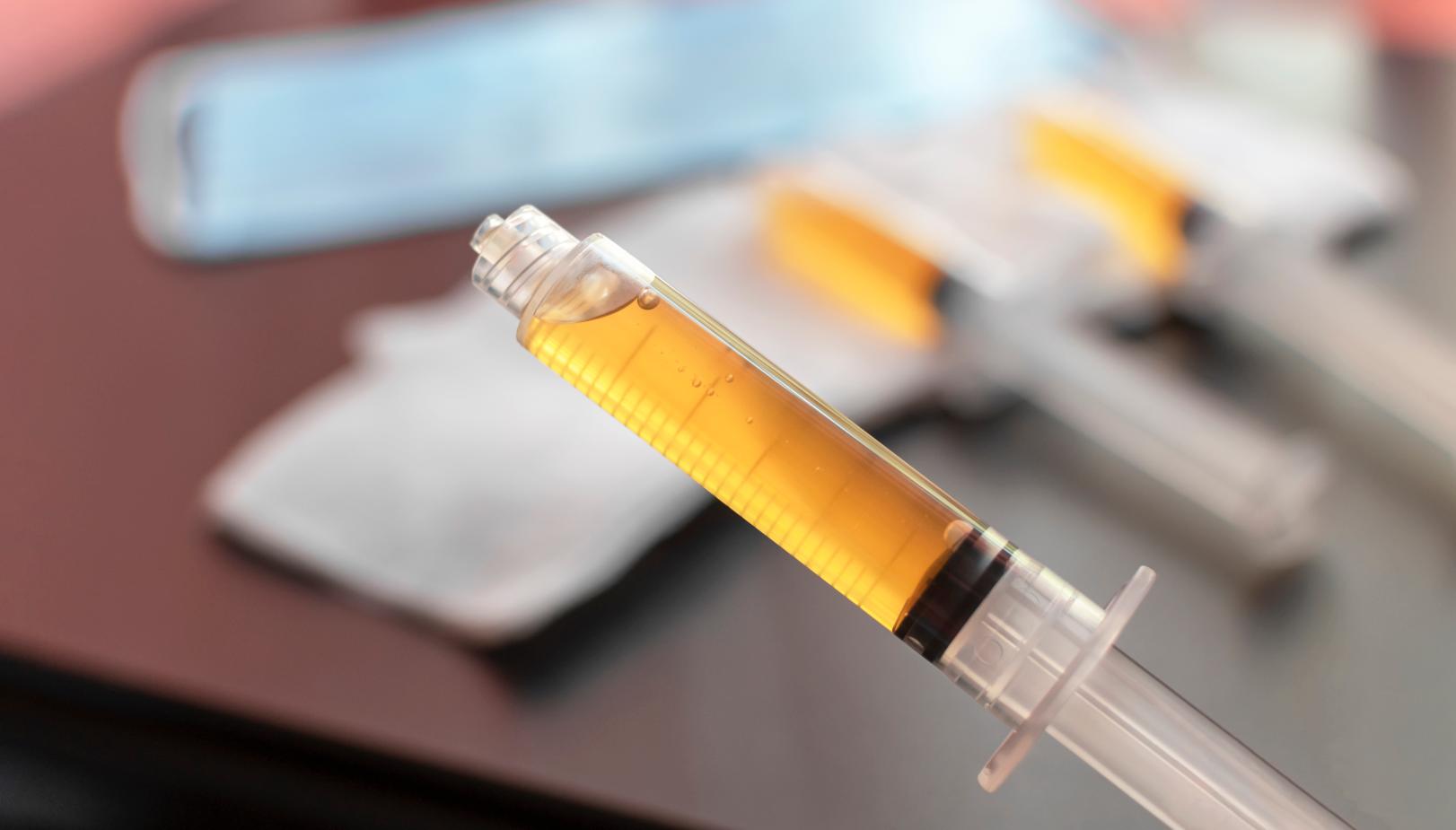
One of the most interesting things about PRP is that the treatment begins with something your body already produces. Instead of using donor tissue or synthetic hair implants, providers collect a small sample of your own blood and prepare it for injection into the scalp.
The blood sample is placed into a centrifuge, a specialized machine that spins rapidly to separate different blood components. This process allows providers to prepare plasma containing a higher concentration of platelets than ordinary circulating blood. The resulting preparation is called platelet-rich plasma, or PRP.
Once prepared, the PRP is administered through small injections into areas affected by hair thinning. The goal is to expose existing hair follicles to concentrated biological signals that may support their activity over time. Because the treatment uses your own blood, it offers an autologous approach to hair restoration, although injection-related risks and complications remain possible.
For patients interested in a natural hair thinning treatment, this approach can be appealing because it doesn’t involve surgically transplanting follicles. However, PRP shouldn’t be confused with an instant hair replacement procedure. Its potential benefits develop gradually and depend on the condition of the follicles being treated.
2. Platelets Release Growth Factors
Most people associate platelets with stopping bleeding after an injury. However, platelets also contain signaling molecules involved in tissue maintenance, cellular communication, and healing responses.
These molecules include platelet-derived growth factor, vascular endothelial growth factor, and other proteins that participate in complex biological processes. Researchers are studying how these substances interact with the cells surrounding hair follicles and whether they can help improve certain forms of hair thinning.
When PRP is introduced into the scalp, platelets can release growth factors into the surrounding tissue. These signals may influence cellular activity and the local environment that supports follicle function. Some research suggests that this process may contribute to improved hair density or thickness in selected patients.
This is why platelet-rich plasma hair treatments have attracted attention in regenerative medicine. Rather than directly replacing hair, PRP attempts to support the biological conditions associated with healthier follicle activity.
However, growth factors don’t automatically produce new hair. Their effects depend on several variables, including platelet concentration, treatment preparation, and the underlying cause of thinning. Patients should view PRP as a potentially helpful treatment rather than a guaranteed solution.
3. It May Influence the Growth Cycle
Hair growth follows a natural biological cycle, and each follicle moves through several stages throughout its lifetime. Understanding these stages helps explain why PRP results take time and why some patients respond differently from others.
The anagen phase is the active growth stage, during which the follicle produces a growing hair shaft. This is followed by a transitional phase and a resting phase before the old strand eventually sheds. Under normal circumstances, new growth follows as the cycle continues.
Certain forms of hair loss can interfere with this process. In androgenetic alopecia, commonly known as pattern hair loss, genetically susceptible follicles gradually become smaller and produce increasingly fine strands.
Researchers believe PRP may influence aspects of follicle activity and the growth cycle. Some clinical studies have reported improvements in hair density and other measurements following treatment, particularly among patients with androgenetic alopecia.
However, research findings aren’t completely consistent, and treatment protocols differ between studies. The amount of PRP injected, its preparation, and the number of sessions can all influence outcomes.
For patients considering PRP for hair loss, this means treatment should begin with realistic expectations. The objective is to support follicles that may still respond to treatment, not to promise that every inactive follicle will begin producing hair again.
4. It May Improve Hair Density
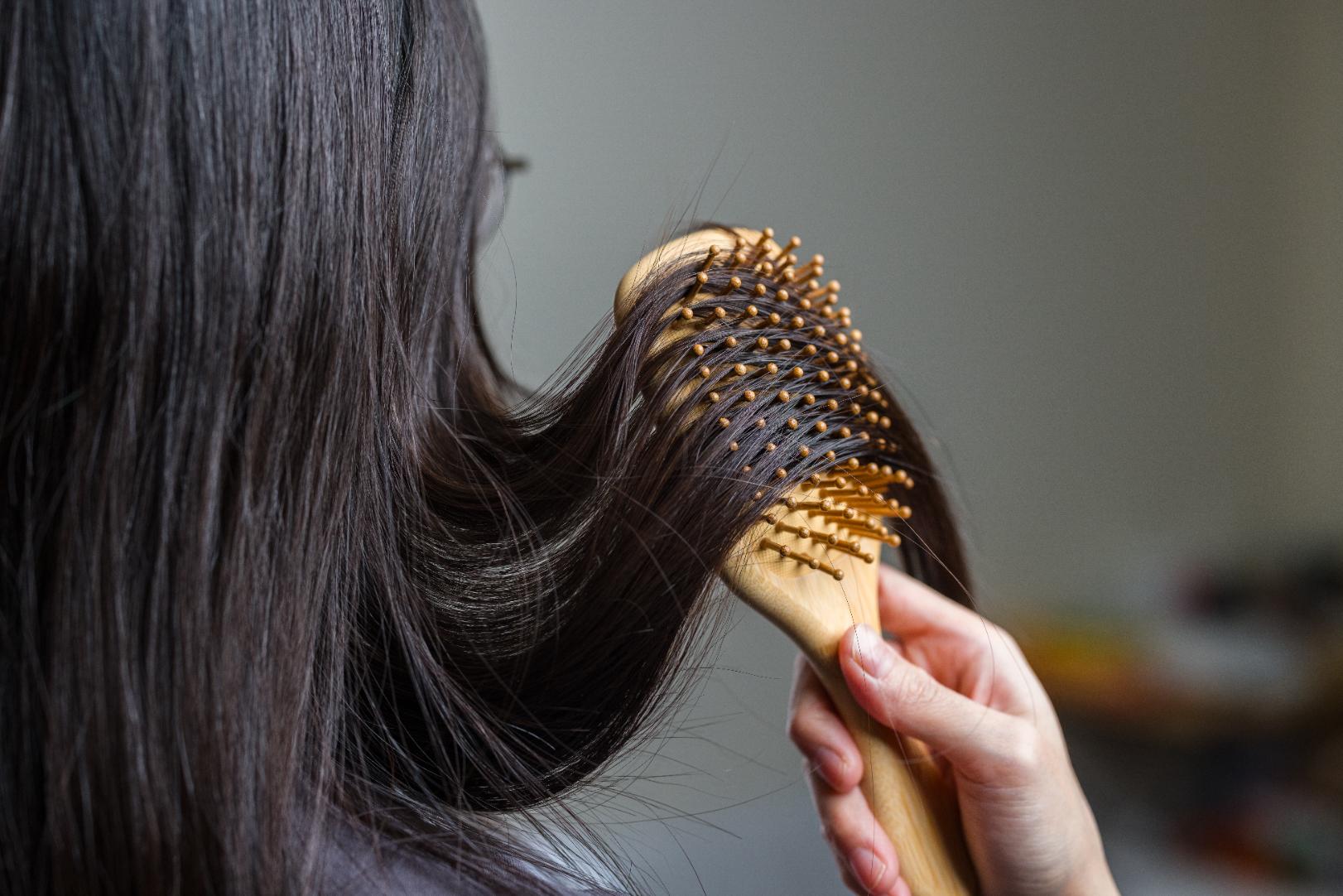
Hair thinning often becomes noticeable when more scalp starts showing through the hair. This can happen because fewer strands are actively growing or because existing strands become progressively thinner.
PRP may help some patients improve hair density by supporting follicles that are still functioning. Clinical research has found encouraging results in certain patients with pattern hair loss, although the amount of improvement varies considerably.
For example, someone experiencing early thinning around the crown may still have numerous active follicles in that area. These follicles might produce finer strands than they did several years earlier, but they haven’t necessarily stopped functioning.
Supporting existing follicles may improve the appearance of coverage in some patients. However, the treatment is generally less promising in areas where follicles have been permanently destroyed or where extensive baldness has developed.
This distinction matters because not every type of hair loss responds to regenerative procedures. Patients with scarring alopecia, for instance, may have permanent follicular damage that requires a different medical approach.
A scalp assessment can help determine whether reduced density is associated with pattern hair loss, temporary shedding, inflammation, or another condition. Identifying the cause is an important step before selecting any hair restoration procedure.
5. It May Support Thicker Strands
Hair density isn’t the only factor that influences how full your hair looks. The thickness of individual strands also plays an important role in overall volume and coverage.
When follicles undergo miniaturization, they may begin producing finer, shorter hairs. Even if the number of follicles hasn’t changed dramatically, the hair can appear noticeably thinner because each strand contributes less volume.
Some studies have investigated whether PRP can improve hair shaft diameter in patients with androgenetic alopecia. Results have been mixed, but certain studies suggest that appropriately selected patients may experience improvements in hair thickness.
If individual strands become thicker, the hair may appear fuller without requiring an entirely new set of follicles. However, PRP doesn’t change your natural hair type or guarantee that fine hair will become significantly coarser.
The distinction between density and strand thickness also helps explain why treatment plans should be individualized. A patient with widespread shedding may need a different approach from someone whose primary concern is gradual follicle miniaturization.
By identifying the specific pattern of thinning, providers can better determine whether PRP is worth considering. They can also explain what kind of improvement would be realistic for that patient’s hair.
6. It Works With Existing Follicles
One of the biggest misconceptions about regenerative hair restoration is that treatment can bring back hair regardless of how long it has been missing. Unfortunately, hair follicles have biological limitations, and not every form of hair loss can be reversed.
PRP is generally considered more promising when follicles remain active, even if they are producing thinner strands. When follicles have been permanently destroyed, such as in certain scarring conditions, PRP cannot reliably restore them.
This is one reason early evaluation can be valuable. Patients who notice progressive thinning may benefit from identifying the cause before the condition becomes more advanced. However, not all shedding indicates permanent follicle damage. Temporary hair loss can occur after illness, childbirth, significant stress, nutritional deficiencies, or certain medication changes.
These conditions may require treatment of the underlying cause rather than PRP injections. For example, addressing a thyroid disorder or nutritional deficiency may be more appropriate than immediately pursuing cosmetic hair restoration.
A medical evaluation helps distinguish temporary shedding from progressive pattern hair loss. Once the diagnosis is clearer, patients can explore treatments that are better suited to their needs.
A New Chapter for Your Hair
Hair thinning can affect your confidence, but understanding your options can make the experience feel less overwhelming. PRP offers a regenerative approach that may support healthier hair growth in selected patients, especially when existing follicles remain active.
At Blush and Bloom MedSpa in Tucson, AZ, you can explore personalized hair restoration options based on your concerns and goals.
Schedule a consultation to learn whether PRP is appropriate for you and discover a thoughtful approach to achieving fuller, healthier-looking hair!